Concreters in Croydon Hills, 3136
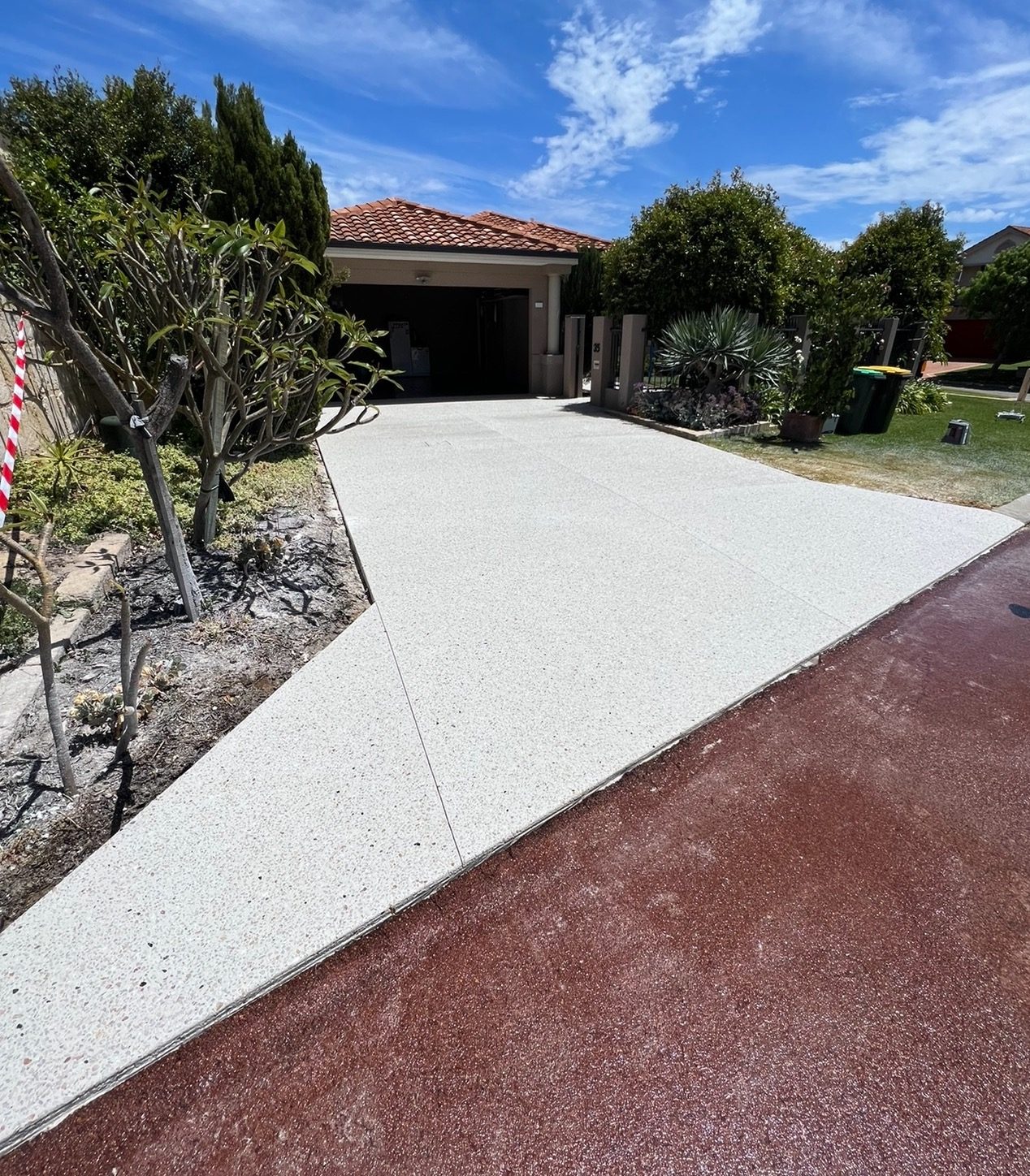
Residential concreting for Croydon Hills: driveways with real falls on them, garage slabs benched into sloping blocks, alfresco areas stepped out from split-level homes. The suburb was laid out in the 1980s and 1990s on the rising ground its name admits to, and nearly every job here starts with the same question, which way does the water go.
Ground conditions in Croydon Hills
The hills are clay over weathered mudstone, and the slopes add movement of their own: water tracks downhill through the profile, soft spots form where it lingers, and a slab poured flat on unprepared ground follows the hill over time. Benching, compacted base material where the ground needs it, and falls that respect the slope are what keep concrete flat here.
The jobs Croydon Hills gives us
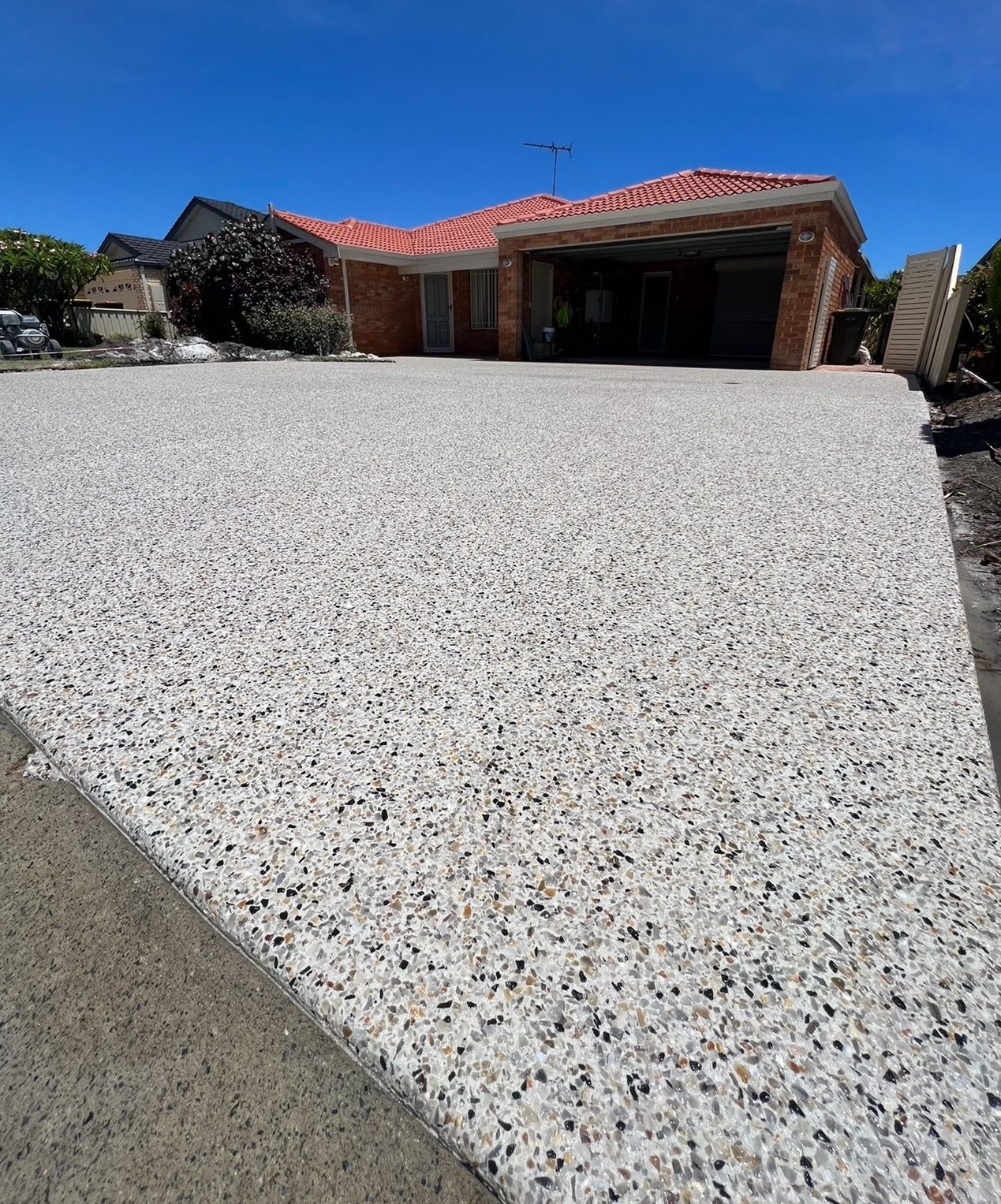
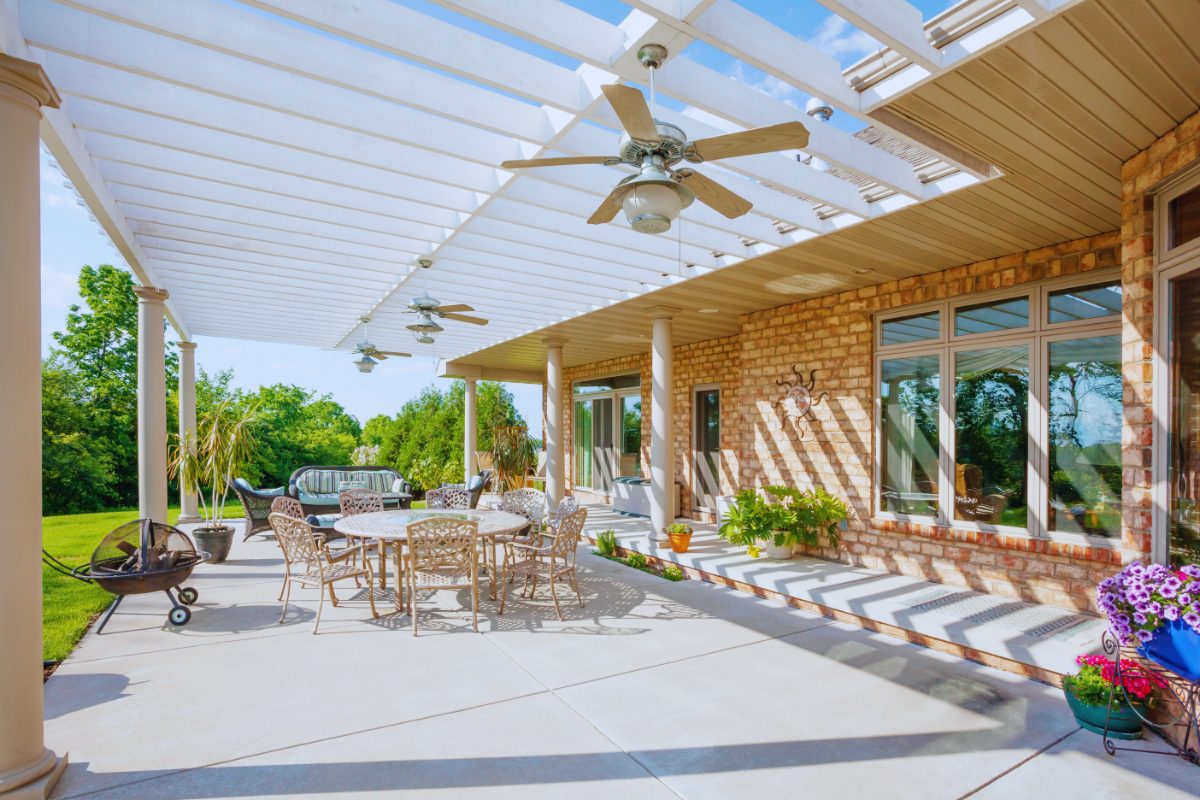
Driveways lead, because the suburb’s curved streets serve steep frontages where a driveway is also the walking route to the front door, and grip matters as much as looks. Behind the houses it is entertaining work: alfresco slabs off family rooms, pool surrounds, and the paths that link split levels together. The original 1980s driveways are now at the age where cracking and drummy patches bring replacement forward.
Finishes specified in Croydon Hills
Exposed aggregate is the suburb default, chosen for wet-weather grip on sloped driveways as much as for the look against face brick. Coloured concrete follows for alfresco slabs matched to modern renovations, with broom finished plain grey on the utility runs.
Concreting cost in Croydon Hills
Concrete driveways run $95 to $185 per m2 by finish, shed and garage slabs $110 to $150, paths $90 to $130 and patios and alfresco areas $100 to $180, supplied and laid. Removal adds $35 per m2, and exposed aggregate sits at the top of each range. Sloped or tight-access sites can sit higher in the range, which is exactly what the site measure settles; the written quote after it is fixed. The cost guide and calculator give the first numbers.
Maroondah City Council permits
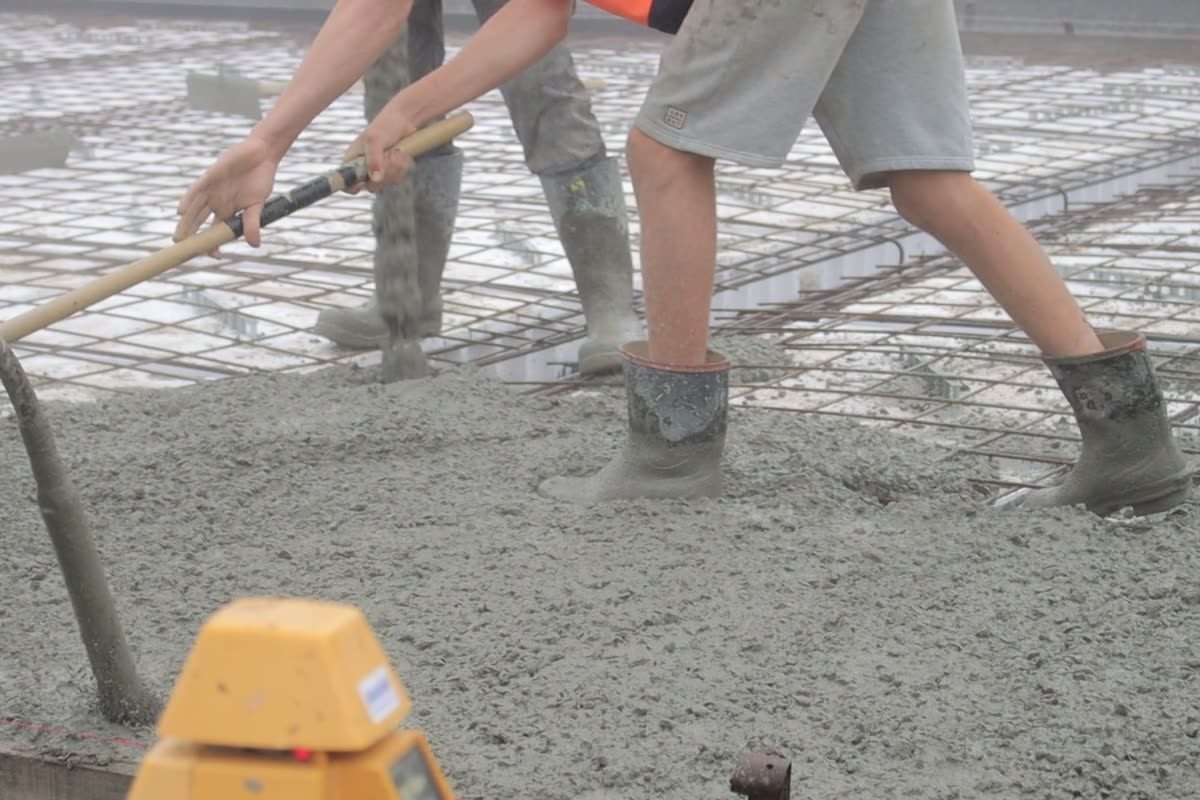
Maroondah City Council requires written consent and a vehicle crossing permit before a crossover, the section between your property boundary and the road, is built, widened, relocated or reconstructed. Applications go through the council’s online eServices portal; consent applications are assessed in around ten business days and the permit itself is typically issued within two, valid for three months. Residential crossings are built to the council’s standard drawing MCC-501, between 3.0 and 4.0 metres wide, and generally one crossing is permitted per property unless the frontage exceeds 20 metres. Clearances apply from pits, poles, street trees and other assets in the nature strip. Council inspects the work twice: a pre-pour inspection, booked with at least 24 hours’ notice, before any concrete is poured, and a final inspection on completion. A permit fee applies and fees change from time to time, so the current amount is confirmed at the quote. We confirm what your job needs in writing before anything is booked.
Nearby suburbs we also cover
Croydon, Croydon North, Ringwood. See the full service area.